60,000-year-old ostrich eggshell engravings reveal a surprisingly sophisticated human mind
Automated news aggregation. Headlines and summaries are gathered from public feeds; see our editorial standards for sourcing, corrections, and AI-assist disclosure.
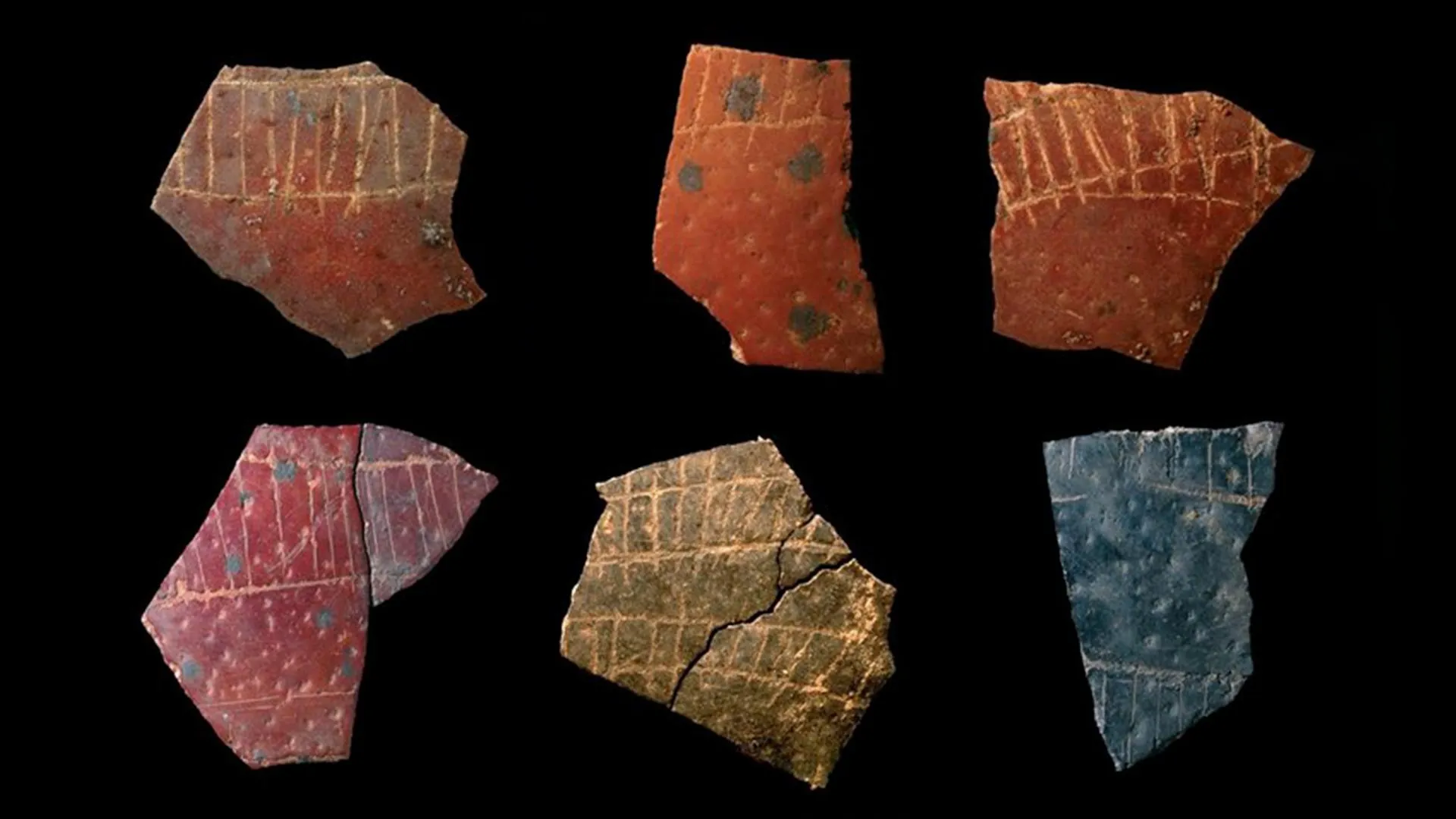
More than 60,000 years ago, humans in southern Africa were engraving ostrich eggshells with intricate geometric patterns that appear far more organized than previously realized. Researchers found recurring grids, parallel lines, right angles, and repeated shapes, suggesting the designs followed deliberate rules rather…
Key takeaways
- 01More than 60,000 years ago, humans in southern Africa were engraving ostrich eggshells with intricate geometric patterns that appear far more organized than previously realized.
- 02Researchers found recurring grids, parallel lines, right angles, and repeated shapes, suggesting the designs followed deliberate rules rather…
Advertisement
About this story
This story was aggregated from ScienceDaily. Headlines, summaries, and links are gathered automatically from public RSS feeds for your convenience.
Read the full story →For agents:JSON recordOpenAPIWebMCPllms.txt