Scientists discover bacteria that lock toxic uranium into a stable form
Automated news aggregation. Headlines and summaries are gathered from public feeds; see our editorial standards for sourcing, corrections, and AI-assist disclosure.
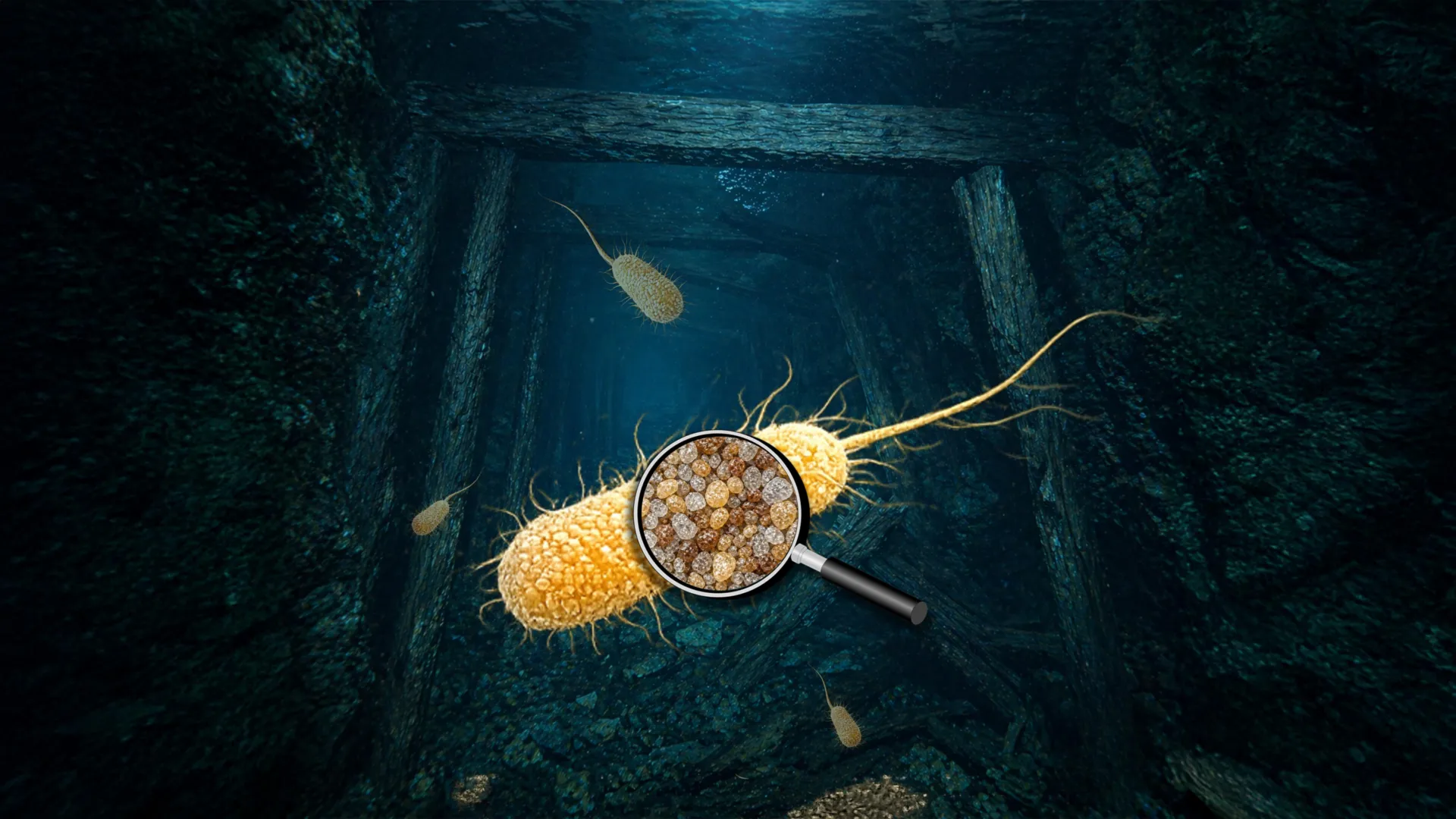
Deep underground, bacteria may be capable of doing something remarkable: trapping toxic uranium before it spreads. When researchers fed microbes in uranium-contaminated mine water with glycerol, about 95% of the dissolved uranium disappeared within 130 days. The bacteria helped convert it into an unusually stable uran…
Key takeaways
- 01Deep underground, bacteria may be capable of doing something remarkable: trapping toxic uranium before it spreads.
- 02When researchers fed microbes in uranium-contaminated mine water with glycerol, about 95% of the dissolved uranium disappeared within 130 days.
- 03The bacteria helped convert it into an unusually stable uran…
Advertisement
About this story
This story was aggregated from ScienceDaily. Headlines, summaries, and links are gathered automatically from public RSS feeds for your convenience.
Read the full story →For agents:JSON recordOpenAPIWebMCPllms.txt