Science
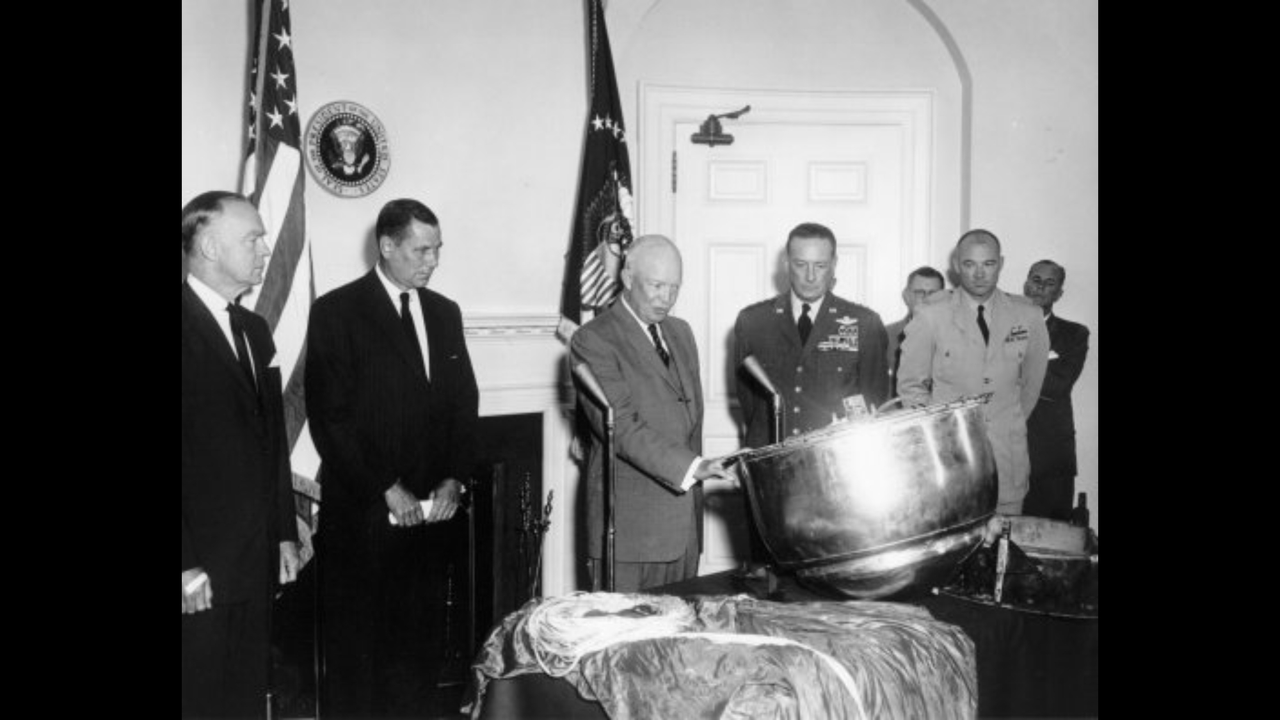
On this day in space! Aug. 11, 1960: 1st object successfully recovered from orbit
Related coverage: On this day in space! Aug. 11, 1960: 1st object successfully recovered from orbit Space
Space ·
Section
Research, space, biology, and the frontier of discovery.
Subscribe to this section →Related coverage: On this day in space! Aug. 11, 1960: 1st object successfully recovered from orbit Space
Space ·
Related coverage: NASA Shares Station Research Today Supporting Moon, Mars Tomorrow NASA (.gov)
President Eisenhower inspects the Discoverer 13 capsule after its return to Earth.
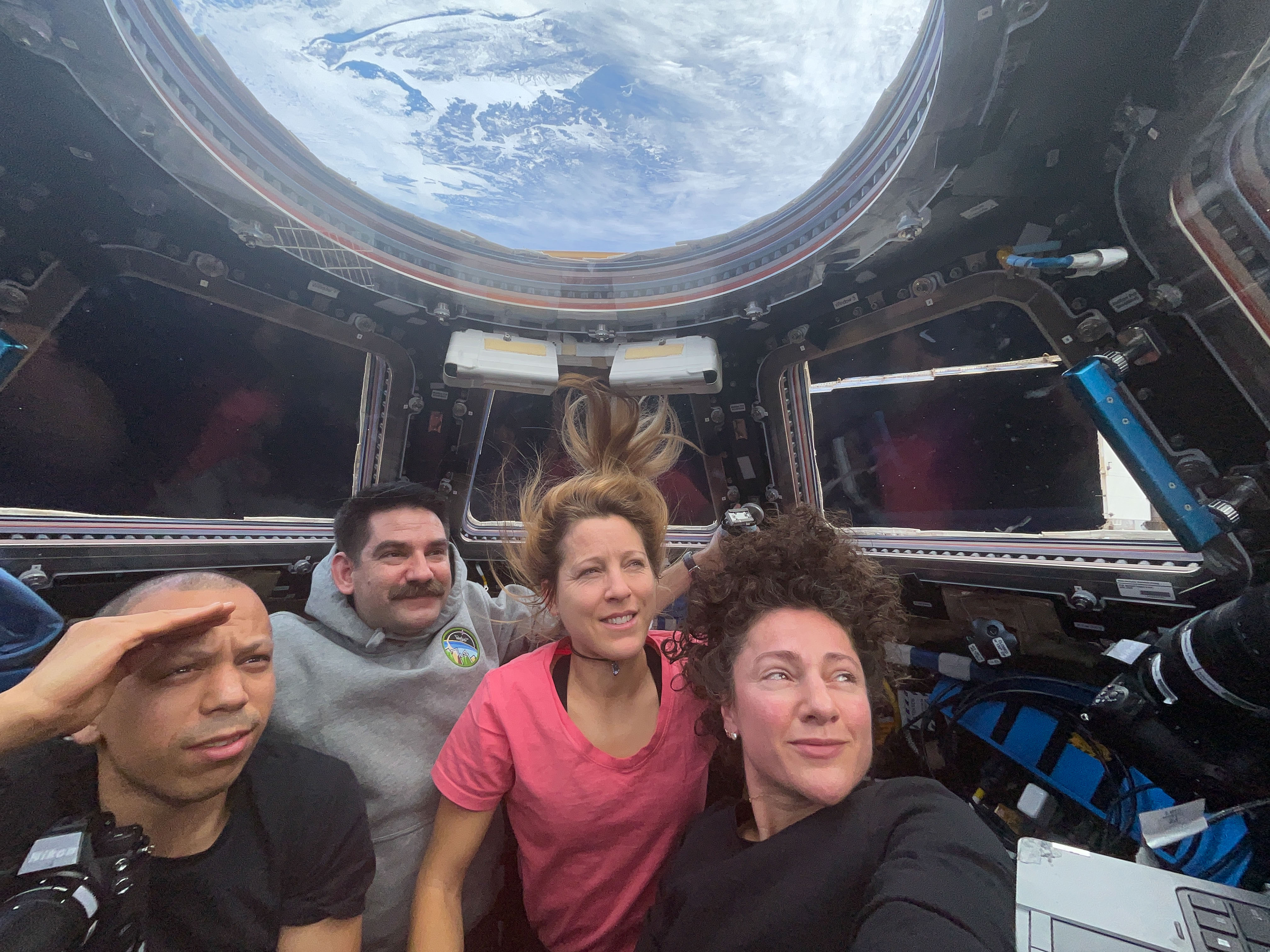
The International Space Station has been busy throughout 2026, as it continues to be a bustling workspace for astronauts conducting a variety of scientific experiments that lay the groundwork for missions to the Moon and beyond. NASA’s Artemis II mission in April was the first crewed flight around the Moon in more tha…
Related coverage: Behold the majestic mane of the Lion Nebula photo of the day for Aug. 11, 2026 Space NASA Telescopes Create Colorful ‘Craft’ From Nearby Nebula NASA Science (.gov) Three energy-loss routes may explain Tarantula Nebula's X-ray shortfall Phys.org Lion Nebula roars to life for Webb esa.int Lion Nebula from JWST The Planetary Society
Space ·
Related coverage: How DNA Nanotechnology Is Transforming Protein and Materials Research AZoNano
AZoNano ·
Related coverage: Metabolon Launches Peak Science Grant Program to Advance Breakthrough Metabolomics Research The Manila Times
MIT neuroscientists have found striking evidence that language and logical reasoning are powered by separate systems in the brain. Even people with severe language impairments caused by stroke were able to solve challenging logic puzzles as well as people without those impairments, while brain scans showed that language-processing regions stayed largely quiet during reasoning tasks.
Related coverage: Climate change is transforming Montana summers | Bob Balhiser helenair.com
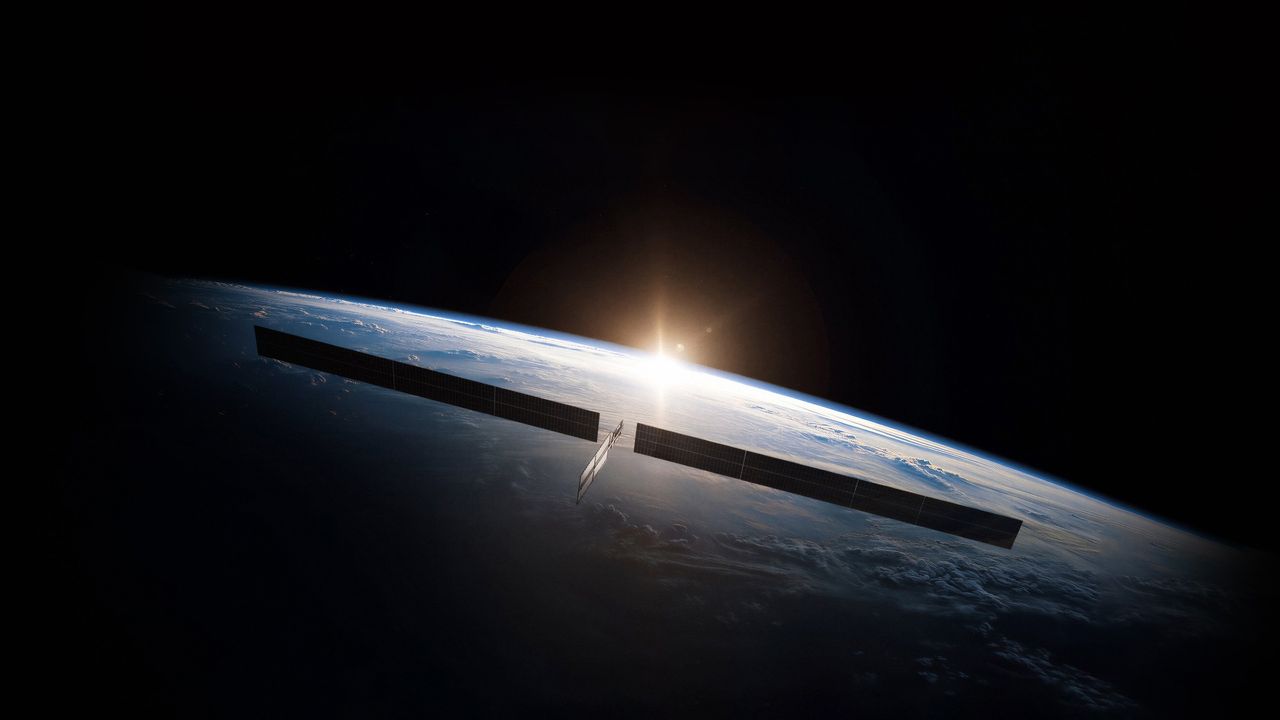
Related coverage: SpaceX wants to put 1 million AI satellites in orbit. What would that do to Earth's climate? Space
Space ·
Operating a million or more data centers in space would mean a massive increase in air pollution from rocket launches and concentrations of toxic ash from reentering satellites.
Scientists have created an unusually corrosion-resistant stainless steel that could replace costly titanium components used to produce green hydrogen. The breakthrough could reduce structural material costs by roughly 40 times and make seawater-based hydrogen production far more economical.
Related coverage: Partial solar eclipse coming to northern US: What to know KTLA 2026 solar eclipse: When to see the partial eclipse in New York Lohud Total solar eclipse wows North America FOX 5 New York Stellar surprise: Partial solar eclipse expected over NYC on Wednesday amNewYork A rare solar eclipse is coming on Wednesday; here’s how to see it in the US Baltimore Sun
KTLA ·
Related coverage: Opinion: Chemistry advances when disciplines connect Chemical & Engineering News
Related coverage: CALS Student Helps NASA Cultivate Crops for Space NC State University
Related coverage: Vegan and climate change focused ETF outperforms S&P 500 ETF Express