Voyager 2 was running out of power. NASA just bought it more time
Related coverage: Voyager 2 was running out of power. NASA just bought it more time ScienceDaily
Aug 10, 2026
Publisher
ScienceDaily — the latest research news across the sciences.
23 recent stories from ScienceDaily
Related coverage: Voyager 2 was running out of power. NASA just bought it more time ScienceDaily
Aug 10, 2026
Related coverage: Voyager 2 was running out of power. NASA just bought it more time ScienceDaily
Dogs have been shaping—and being shaped by—humans for about 15,000 years, evolving from early partners of hunter-gatherers into an astonishing range of specialized companions. Across the globe, they adapted alongside people to wildly different environments and needs, from powerful Arctic sled dogs and agile rainforest…
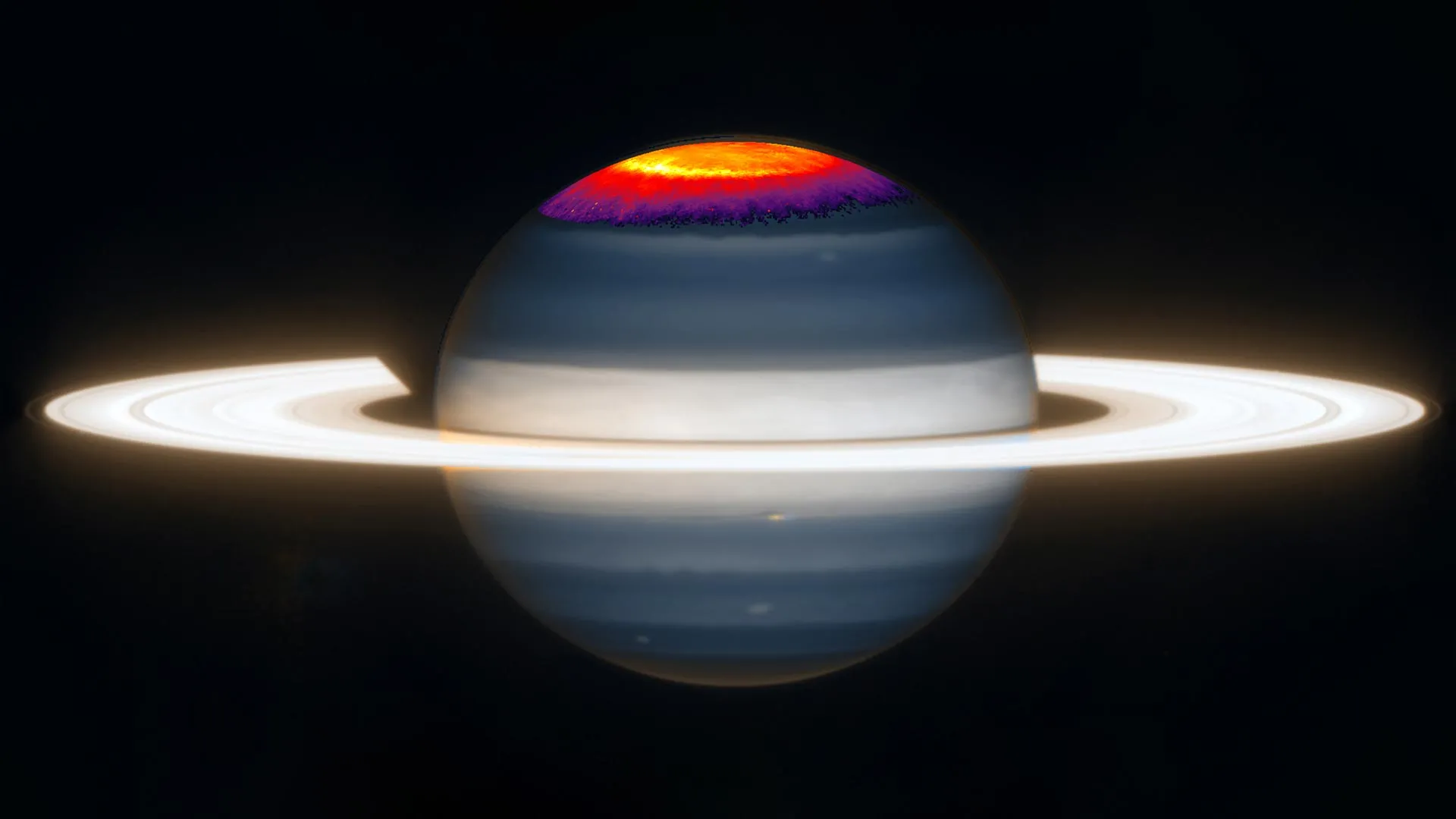
Cassini data has revealed a surprising twist in Saturn’s magnetic shield: the planet’s rapid rotation appears to drag a key opening in its magnetosphere far toward the afternoon side instead of keeping it near noon, as happens on Earth. The finding confirms that giant planets like Saturn operate under a fundamentally…
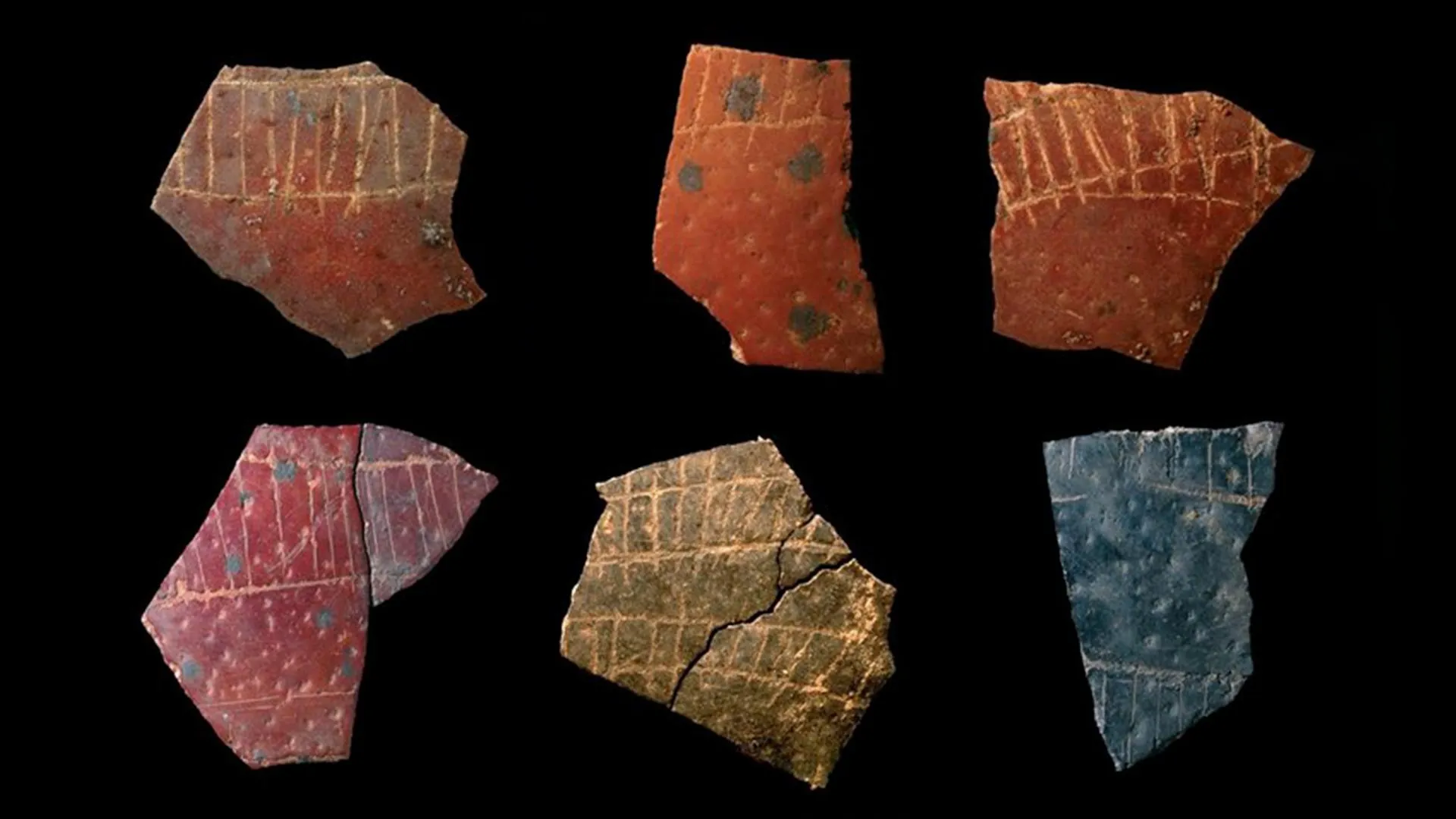
More than 60,000 years ago, humans in southern Africa were engraving ostrich eggshells with intricate geometric patterns that appear far more organized than previously realized. Researchers found recurring grids, parallel lines, right angles, and repeated shapes, suggesting the designs followed deliberate rules rather…
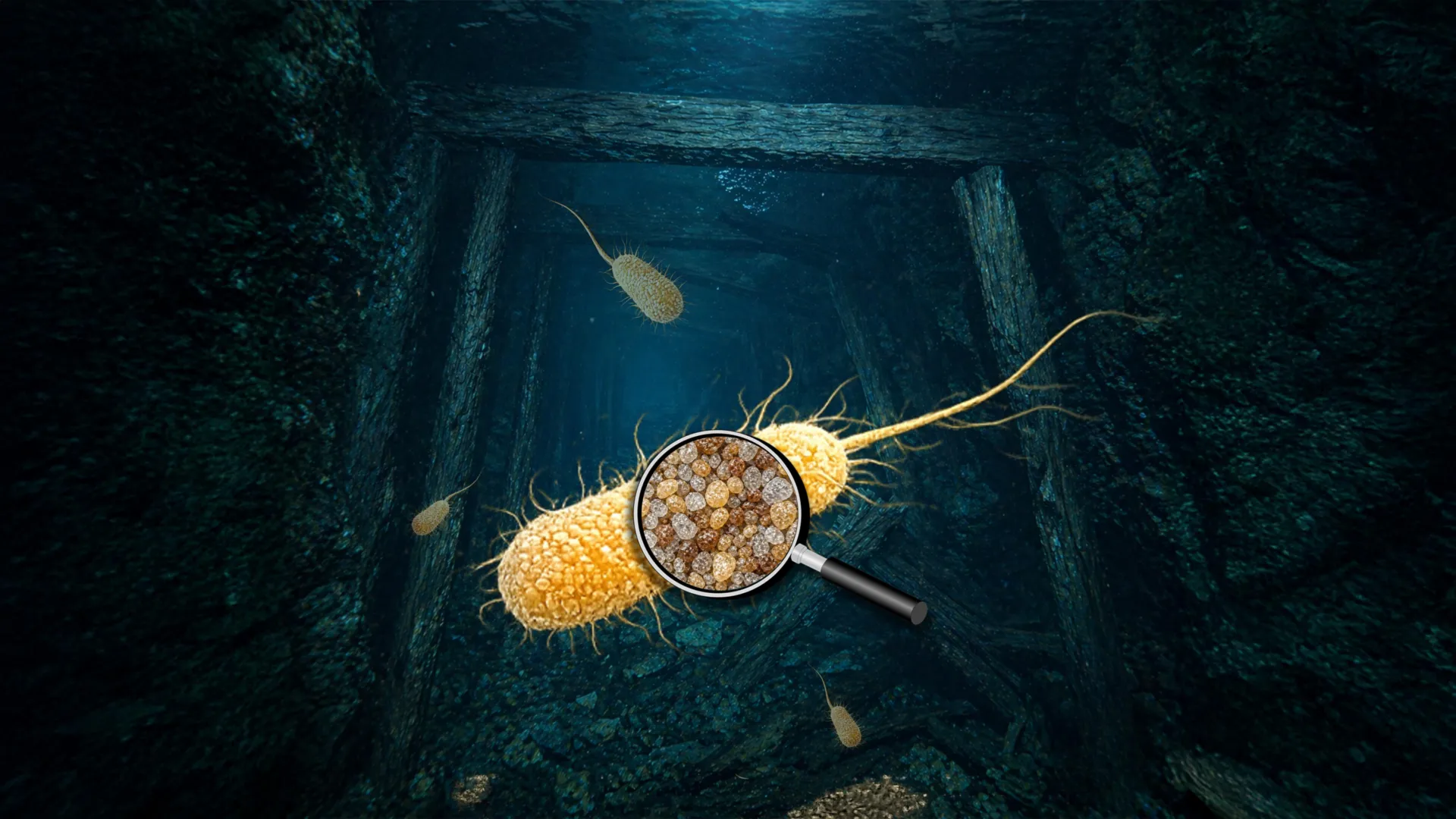
Deep underground, bacteria may be capable of doing something remarkable: trapping toxic uranium before it spreads. When researchers fed microbes in uranium-contaminated mine water with glycerol, about 95% of the dissolved uranium disappeared within 130 days. The bacteria helped convert it into an unusually stable uran…
Chemists have developed a catalyst that breaks a long-standing rule governing which molecules receive electrons during chemical reactions. By releasing electrons directly into solution, the technique could unlock reactions—and potentially useful new molecules—that were previously out of reach.
Stress may literally scramble the brain’s internal GPS. Researchers found that cortisol, a hormone released during stress, made people significantly worse at navigating a virtual environment and disrupted the precise activity of grid cells, specialized brain cells that help us understand where we are in space. When la…